
Cidadania Já · Sep — Dec 2021
ODGO.
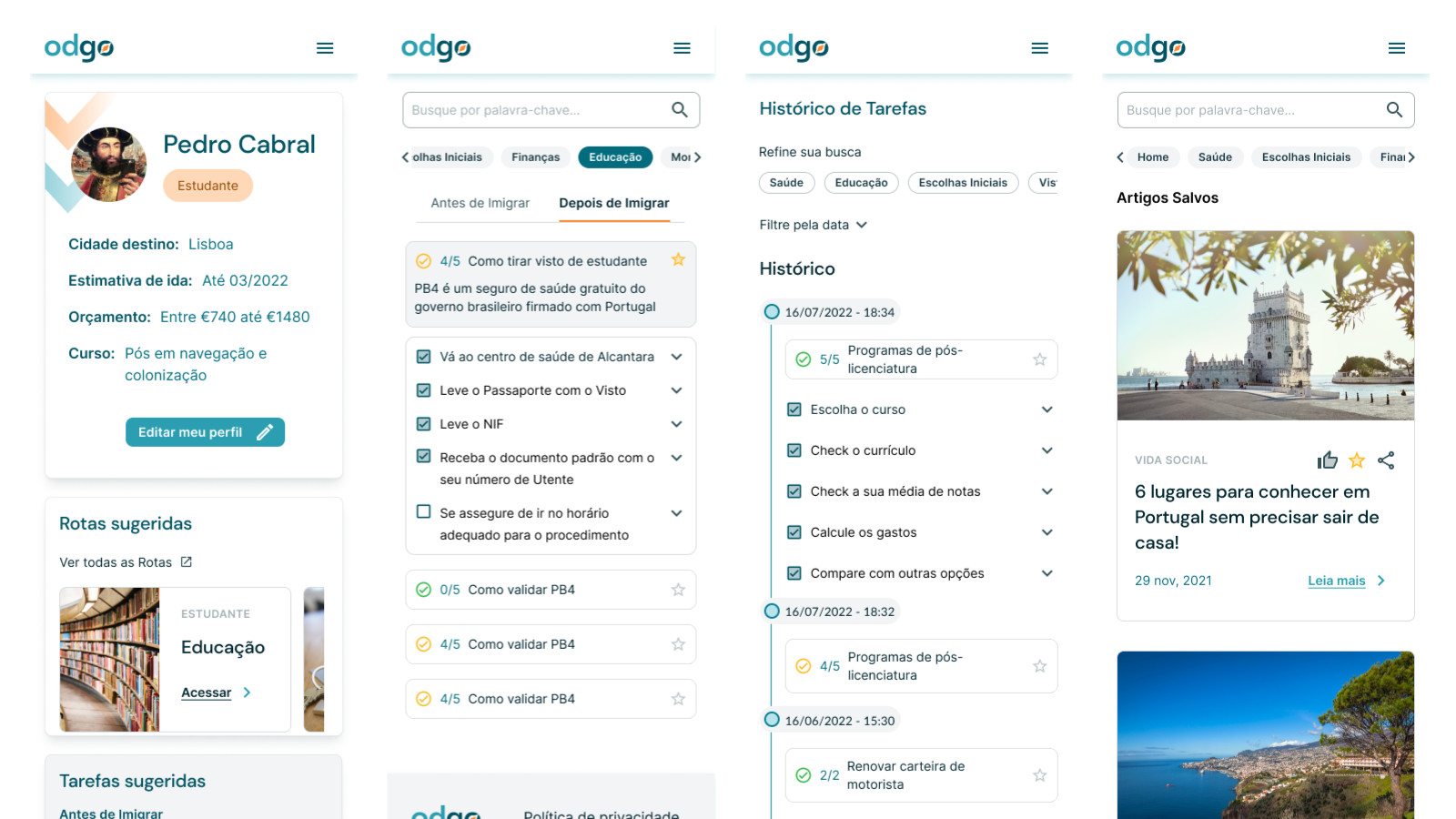
Odgo is a free online platform that helps Brazilians plan their immigration from anywhere in the world to Portugal.
How does Odgo work?
You register on the platform and take a quick quiz to discover your user profile — for example: immigrating with family; qualified worker; student. The planner then provides all the information you need to reach your goal.
The app works like a checklist that helps Brazilians move to Portugal: the information comes through tasks grouped by subject — health care, education, pets, documents, housing — and it shares the knowledge base of the Cidadania Já blog. The platform is free to use; the business model is partnerships with Portuguese services, such as estate agencies, educational institutions and third-party services.
How many people worked on it?
The UX team had a total of 4 people (1 UX Lead, 3 designers) and worked in parallel with the Product Development team (5 people: 3 developers, 1 Product Owner, 1 designer).
Besides that, the CEO of Odgo worked full time providing direction during the launch stage of the product, so the MVP would be exactly what was expected for receiving investment.
What was my role in this project?
As Senior UX Lead, I was responsible for the UX/Research team during the discovery, development and launch process of the product (Odgo), which would enable the company to raise investment to accelerate the startup.
P.S.: The UX/Research team worked with 3 designers. It was later incorporated into the Product Development team.
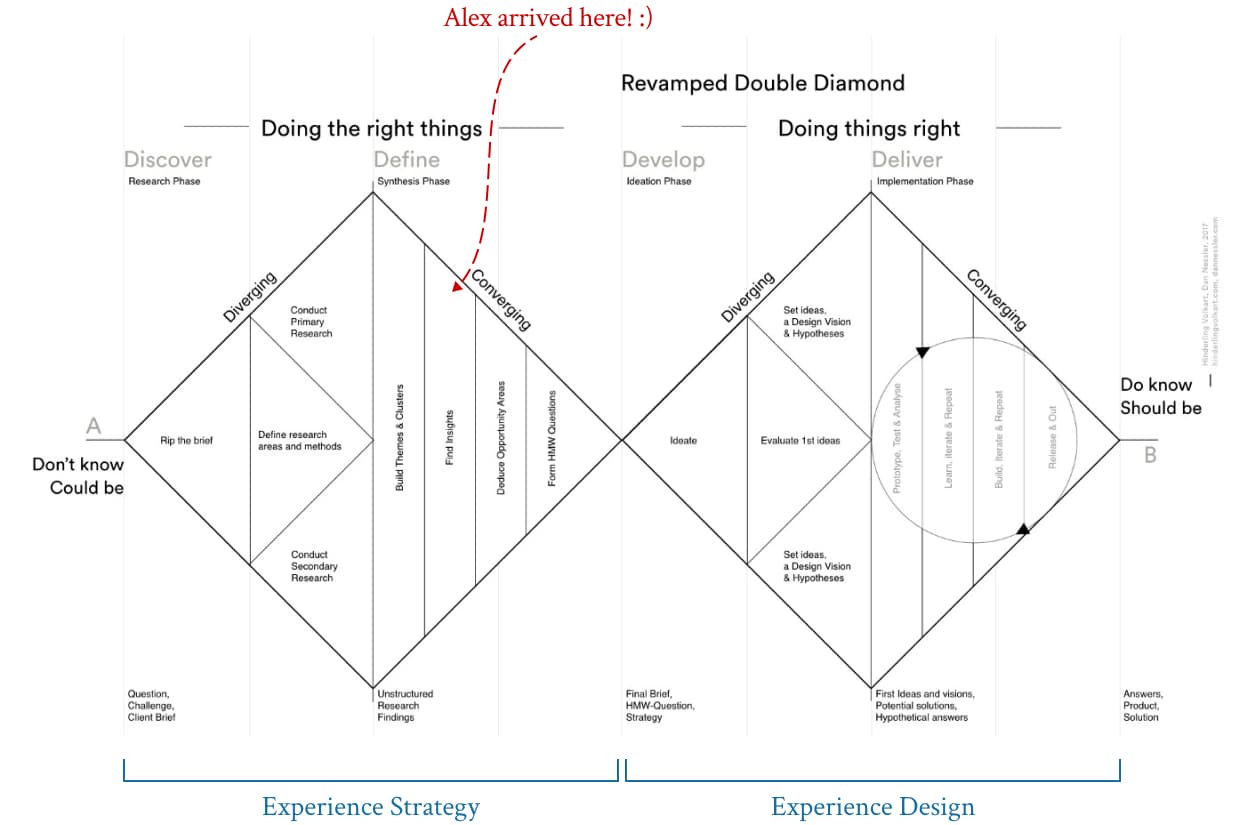
When I arrived at Cidadania Já, the UX/Research team had already been through the research phase. So, using the (revamped) Double Diamond model as a base, we moved on to the process of connecting the research data with the design ideas (Design Synthesis) — organising the empirical data and forming a concise problem statement.
Product Vision (CEO)
A bold statement!
“Be like Airbnb, but for immigration.” In the CEO’s vision, it means the app must be as disruptive as Airbnb, to give everyone the possibility of immigrating from wherever they are to any country they want to live in.
A race against time
In 12 weeks we needed to launch our beta and validate the MVP with real people. Meanwhile, we had to adjust the product to our audience, testing continuously and pivoting if needed.
A demo for the investors
To be presented to the new investors, the MVP needed to run with real data and real people. In the first stage, Cidadania Já was supporting us for a limited time (3 to 6 months).
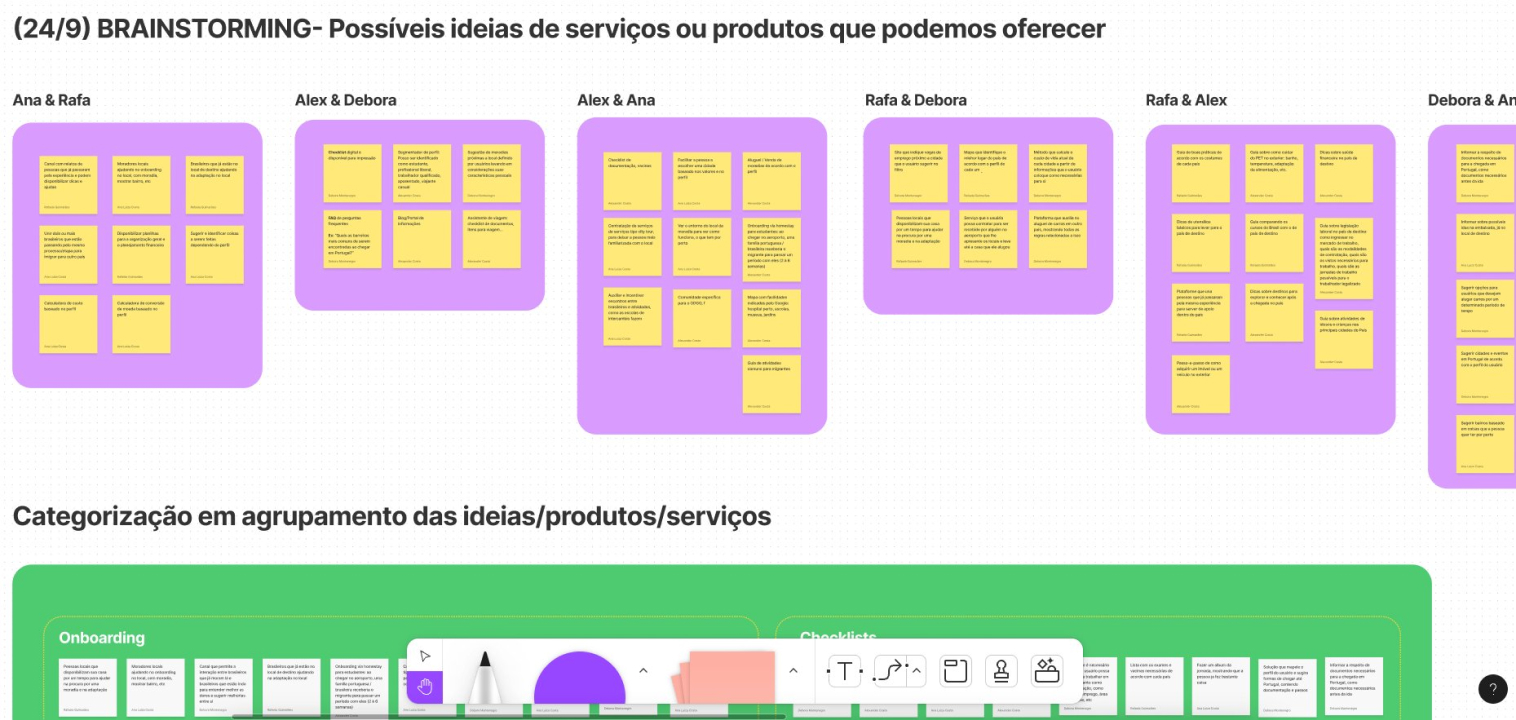
Ideation + brainstorming
As a key activity, we ran an ideation and brainstorming session where we managed to structure data, collect new ideas and, finally, present the potential product and service solutions to the CEO, who centralised the whole approval and decision process regarding Odgo.
Next, we moved on to the ideation stage, working collaboratively and simultaneously during short periods each day — the equivalent of Agile’s pair programming.
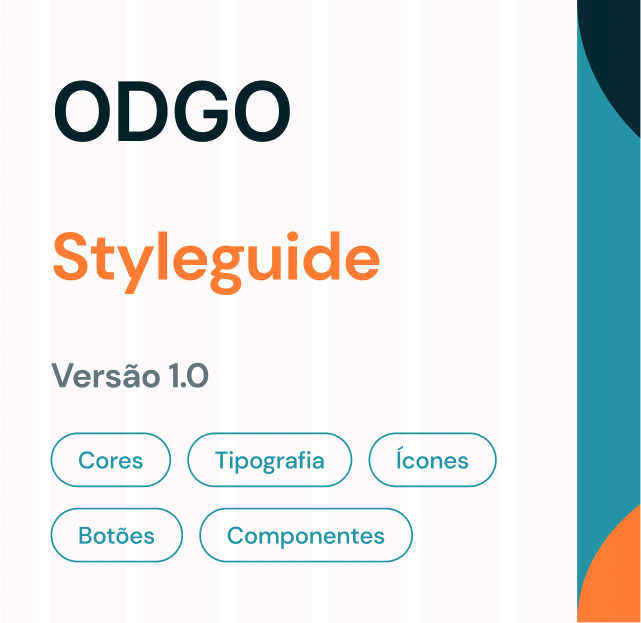
We made the first wireframes and microinteraction simulations, and created a mood board to help explore new ideas and connections with the potential target audience, until we reached the process of developing the brand and the style guide that would support the product’s visual identity.
Workshops
During this process, we discovered that the team could evolve straight from the low-fidelity prototype to the high-fidelity prototype, thanks to the components created in the style guide.
That sped up the handover of prototypes to the development team and gave us a time advantage — UX team on 1-week sprints vs. development team on 2-week sprints — which was converted into weekly workshops to raise the quality of the deliverables.
Conclusion
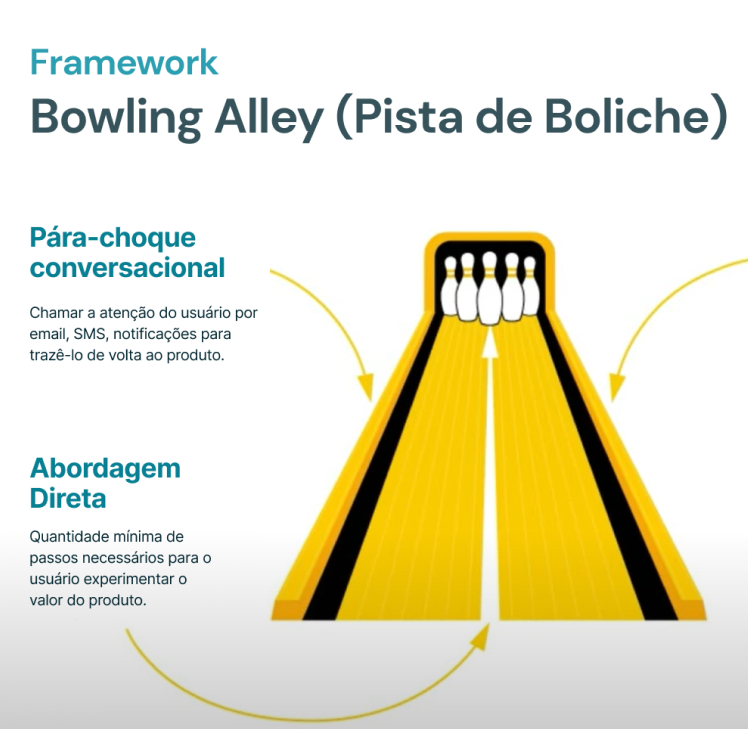
To make it easier to build the MVP and get it approved by the company’s CEO, we split Odgo into 4 distinct parts: Login, the User Profile Definition (form), the Task Groups, and the Knowledge Base. After tests and monitoring of user navigation through Hotjar, improvements were made to the user experience.
After 12 weeks (Sep/21 to Dec/21), we launched the first version of Odgo as an MVP. The intention is for the product to receive many changes based on the information raised in research and testing — prioritised according to the value perceived by the users and the value added to the product.
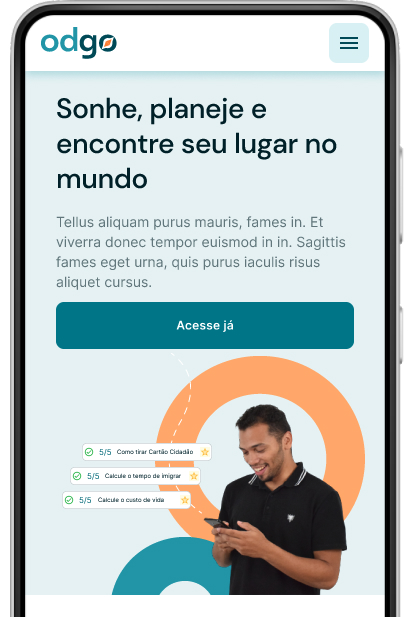
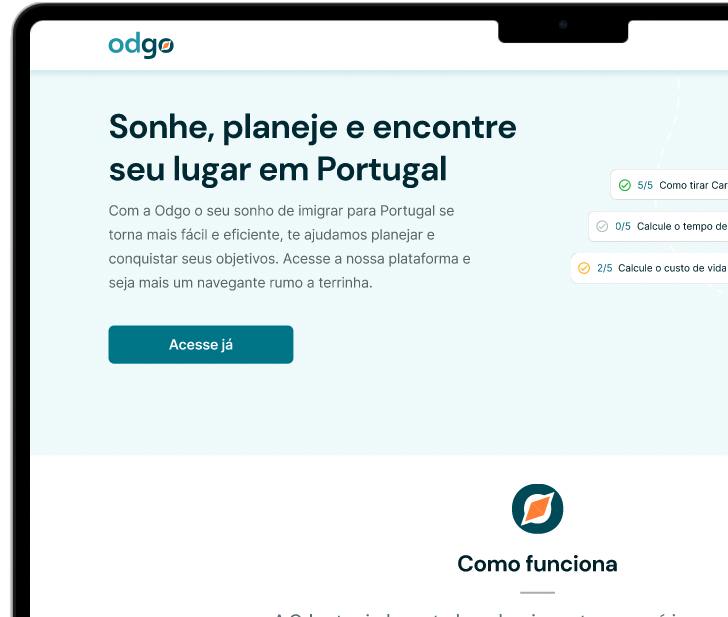
After 12 weeks (Sep to Dec 2021), the first version of Odgo launched as an MVP — running with real data and real people, ready to be presented to investors — with the next changes to be prioritised by the value perceived by users and the value added to the product.